Spiritual Guides
What is Ganga Aarti? History, Meaning and How to Experience It
May 15, 2026 By Pandit Devansh Pandey 7 mins read
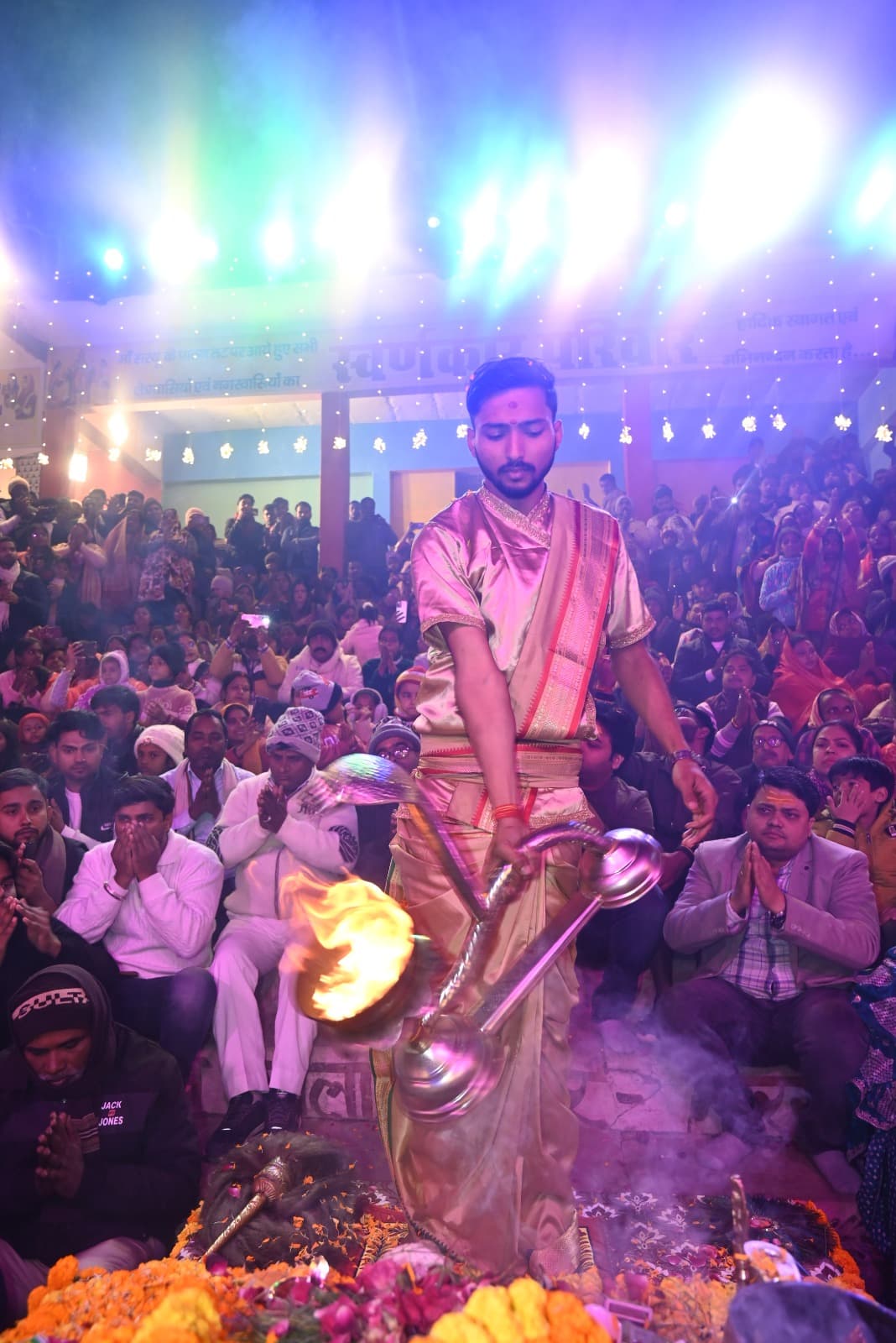
If you have ever researched Varanasi, you have undoubtedly seen photographs of rows of scholars holding towering brass lamps on the banks of the Ganges. This is the Ganga Aarti—a magnificent visual symphony of fire, incense, and devotion. But what is Ganga Aarti exactly, where did it come from, and what does it represent?
For both pilgrims seeking spiritual connection and travelers looking to experience India's rich culture, the Ganga Aarti is a highlight of visiting Varanasi. In this article, we explain the history, spiritual significance, and logistics of experiencing this daily ritual.
The Meaning and Philosophy: Why worship a River?
To understand the Ganga Aarti, one must first understand the Hindu relationship with River Ganga. In Hindu philosophy, Ganga is not merely a water body; she is a living goddess (Ganga Maiya) who descended from heaven to cleanse humanity of their sins. She represents purity, sustenance, and flow.
"Aarti" is a Sanskrit word meaning a ritual of devotion or waving light to praise a deity. Waving lamps before the river expresses gratitude to Mother Ganga for nurturing the land and offering spiritual liberation (Moksha) to millions of souls.
The Sacred Elements of the Ritual
Every element of the Ganga Aarti carries symbolic spiritual meaning based on the Vedic fire sacrifice (Yajna):
- The Five Elements (Panchabhuta): The ritual represents the purification of Earth (flowers/sandalwood), Water (the river itself), Fire (brass lamps), Air (waving yak-tail fans), and Ether (sounding of bells and conch shells).
- Multi-tiered Brass Lamps: Waved in rhythmic, clockwise circles, the fire represents the burning away of human ego. The shape of the lamp resembles the hood of Sheshnaag, the celestial serpent of Lord Vishnu.
- Conch Shell (Shankh): Sounded at the beginning to drive away negative energy and purify the surrounding air.
- Incense (Dhup): Represents the desire of the human soul to elevate and diffuse positive energy to society.
A Brief History of the Ceremony in Varanasi
While worshiping the Ganges is ancient, the structured, synchronized "Ganga Aarti" witnessed today at Dashashwamedh Ghat was established in 1991 by the Ganga Seva Nidhi. It was designed to revitalize the spiritual heritage of Varanasi, standardizing the rituals and chants. Today, it is performed daily by 7 to 9 young priests (scholars from Sanskrit pathshalas) without a single day of interruption, regardless of weather conditions or river floods.
How to Experience the Aarti: Insider Tips
To make the most of your evening visit, keep these practical tips in mind:
1. Best Viewing Spots
There are two ways to watch the ceremony: from the ghat steps (land-side) or from a boat (river-side). Worshipping from the boat offers a direct, head-on view of the performing scholars who face the river. We recommend booking a double-decker wooden boat or a private country boat.
There are two ways to watch the ceremony: from the ghat steps (land-side) or from a boat (river-side). Worshipping from the boat offers a direct, head-on view of the performing scholars who face the river. We recommend booking a double-decker wooden boat or a private country boat.
2. Timings are Dynamic
The Ganga Aarti begins immediately after sunset. Because sunset times change, the start time varies:
The Ganga Aarti begins immediately after sunset. Because sunset times change, the start time varies:
- Summer (April to October): Starts around 6:45 PM. Arrive by 6:00 PM to secure a seat.
- Winter (November to March): Starts around 6:00 PM. Arrive by 5:15 PM.
3. Arrive Early for Photography
Thousands of pilgrims gather daily. If you are watching from the ghat steps and want to take photographs, aim to arrive 45-60 minutes early to sit close to the main wooden platforms.
Thousands of pilgrims gather daily. If you are watching from the ghat steps and want to take photographs, aim to arrive 45-60 minutes early to sit close to the main wooden platforms.
The Ganga Aarti is more than a cultural show; it is an immersive spiritual event that remains etched in the hearts of visitors forever. The combination of ringing bells, synchronized movements, and the sound of waves creates a meditative space that showcases the spiritual beauty of Varanasi.